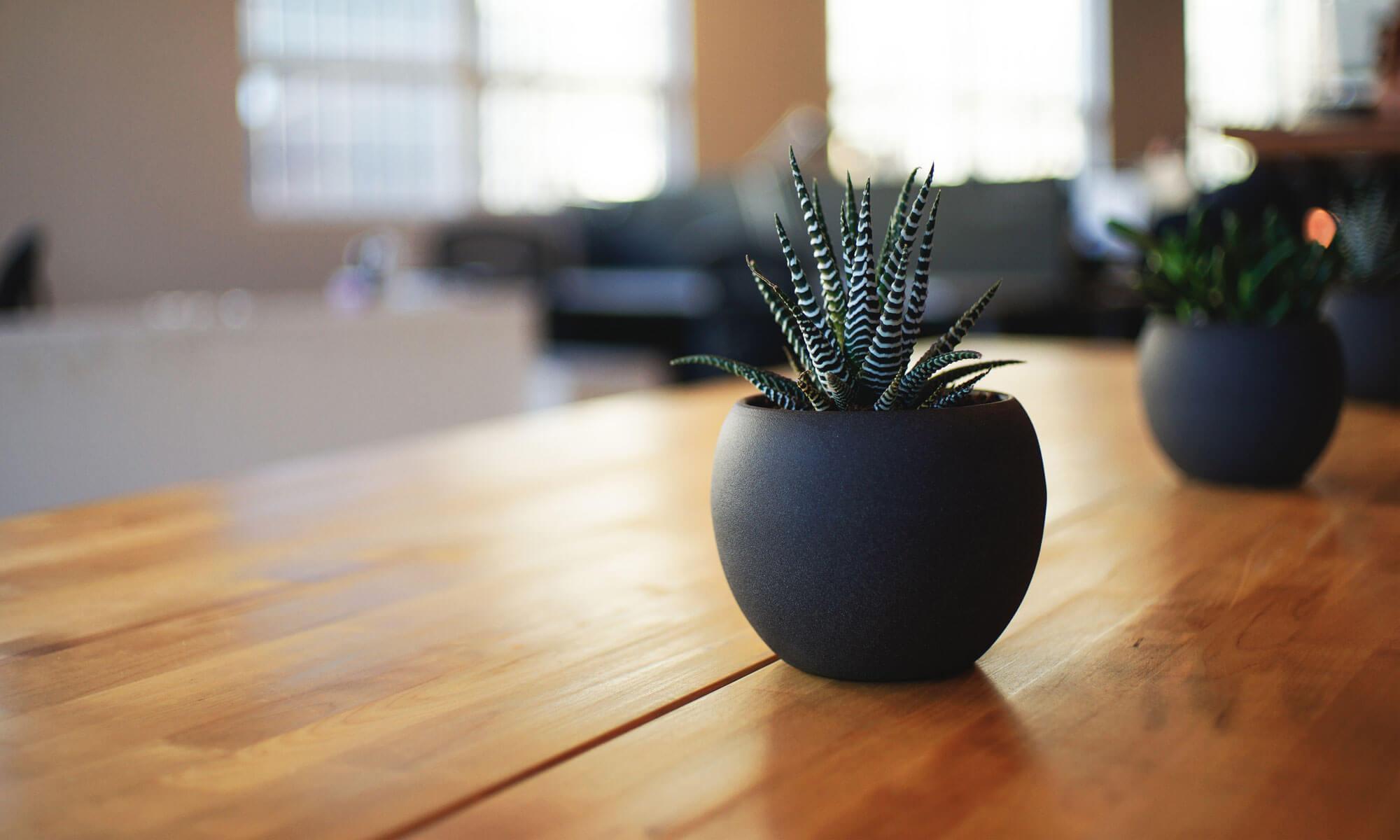

- Practical solutions and https://anniesnursery.co.uk to design a charming kids bedroom
- Choosing the Right Theme and Color Palette
- The Psychology of Color in Children's Bedrooms
- Optimizing Space and Storage Solutions
- Creating Zones Within the Bedroom
- Furniture Selection: Safety, Durability, and Style
- Ergonomics and Child-Sized Furniture
- Incorporating Personal Touches and Creativity
- Beyond the Basics: Lighting and Textiles
- Designing for Adaptability and Growth
Practical solutions and https://anniesnursery.co.uk to design a charming kids bedroom
Creating a bedroom for a child is a uniquely rewarding experience. It’s a space where imagination thrives, where dreams are born, and where individuality blossoms. The key is to strike a balance between functionality, comfort, and aesthetic appeal. A well-designed children’s bedroom isn’t just a place to sleep; it's a haven for play, learning, and peaceful rest. Many parents find inspiration and practical solutions online, and resources like https://anniesnursery.co.uk offer a wealth of ideas for designing a charming and inspiring space for your little one. Careful planning, considering your child’s age, interests, and needs, will result in a room they will love for years to come.
The process of designing a kids’ bedroom extends beyond simply choosing furniture and paint colors. It involves creating an environment that supports their development, encourages creativity, and fosters a sense of security. Thinking about storage solutions to minimize clutter, opting for durable and safe materials, and incorporating elements that reflect their personality are all crucial steps. From whimsical themes to practical storage systems, the possibilities are endless. A strategically planned room can also adapt as your child grows, ensuring it remains a functional and beloved space throughout their formative years. This thoughtful approach elevates the bedroom from a mere room to a nurturing environment.
Choosing the Right Theme and Color Palette
Selecting a theme is often the first and most exciting step in designing a child’s bedroom. Themes allow for a cohesive design and provide a springboard for incorporating specific colors, patterns, and accessories. Popular choices include fairytale-inspired rooms, adventure-themed spaces with maps and globes, or rooms based on a child's favorite animal or character. However, it's important to avoid themes that are overly restrictive or may quickly become outdated as your child's interests evolve. A more versatile approach is to focus on broader concepts like nature, space, or art, allowing for flexibility as they grow. Consider your child’s input in the theme selection process to ensure they feel a sense of ownership and excitement about their new space. Ultimately, the goal is to create a room that sparks their imagination and reflects their unique personality.
The Psychology of Color in Children's Bedrooms
Color plays a significant role in influencing mood and behavior, making careful color selection crucial in a child's bedroom. Soothing colors like blues and greens are often recommended for creating a calming atmosphere conducive to sleep. Warm colors like yellows and oranges can stimulate creativity and energy, making them suitable for play areas. However, it’s important to avoid overly bright or stimulating colors, especially in bedrooms intended for younger children, as these can be overwhelming and disrupt sleep. Neutral palettes with pops of color can provide a versatile backdrop that can easily be adapted as your child's preferences change. The key is to strike a balance that creates a cheerful and inviting space without being overly stimulating. Personal preferences always matter, so involving your child in the color selection process, within reason, is always a good idea.
| Color | Mood/Effect | Best Used For |
|---|---|---|
| Blue | Calming, Peaceful | Sleep Areas, Quiet Corners |
| Green | Refreshing, Natural | Reading Nooks, Study Areas |
| Yellow | Cheerful, Energetic | Play Areas, Creative Spaces |
| Orange | Warm, Inviting | Social Spaces, Activity Zones |
Understanding the psychological impact of color can help you create a bedroom environment that supports your child's well-being and development. Remember that the goal isn't just to create a visually appealing space, but also a space that fosters a sense of comfort, security, and inspiration.
Optimizing Space and Storage Solutions
Children’s bedrooms often need to serve multiple purposes – sleeping, playing, studying, and storing a multitude of toys and belongings. Therefore, thoughtful space optimization and efficient storage solutions are paramount. Vertical space is your friend; utilizing wall-mounted shelves, bunk beds (for siblings), and tall bookcases can maximize floor space. Multi-functional furniture, such as beds with built-in drawers or ottomans with storage compartments, is an excellent investment. Labeling storage bins and containers is a simple yet effective way to encourage organization and teach your child responsibility. Regular decluttering is also essential to prevent the room from becoming overwhelmed with unnecessary items. Consider rotating toys to keep things fresh and engaging, and donate or sell items that are no longer used. A consistently organized space promotes a sense of calm and allows for more enjoyable playtime.
Creating Zones Within the Bedroom
Dividing a bedroom into distinct zones can help create a more functional and organized space. Designate a specific area for sleep, a separate area for play, and a dedicated space for studying or creative activities. Using rugs, different paint colors, or furniture arrangement can visually define these zones. For example, a cozy reading nook with a comfortable chair and a small bookshelf can create a quiet retreat. A play area with a soft rug and ample toy storage can encourage imaginative play. A designated homework station with a desk and good lighting can promote focus and productivity. This zoning approach not only enhances functionality but also helps teach children about boundaries and organization. It encourages them to understand that different areas are dedicated to different activities, contributing to a more balanced and productive environment.
- Clearly defined sleep space for restful nights.
- Dedicated play area fostering creativity.
- Organized study zone promoting focus.
- Comfortable reading nook for quiet time.
- Ample storage solutions to minimize clutter.
Establishing these distinct zones empowers children to appreciate the purpose of each area and encourages respectful use of the space.
Furniture Selection: Safety, Durability, and Style
Choosing the right furniture for a child’s bedroom requires careful consideration of safety, durability, and style. Prioritize furniture made from non-toxic materials and with rounded edges to minimize the risk of injury. Solid wood furniture is a durable and long-lasting investment, while furniture with adjustable features can adapt as your child grows. Avoid furniture with small parts that could pose a choking hazard, especially for younger children. When selecting a bed, ensure it meets current safety standards and has appropriate side rails. Consider the overall style of the room and choose furniture that complements the chosen theme and color palette. Investing in quality furniture not only ensures a safe and comfortable environment for your child but also provides long-term value. Remember that furniture should be functional and aesthetically pleasing, creating a harmonious space that they will enjoy for years to come. Exploring options at places like https://anniesnursery.co.uk can provide further inspiration.
Ergonomics and Child-Sized Furniture
Ensuring that furniture is appropriately sized for your child is crucial for promoting good posture and preventing discomfort. Desks and chairs should be at a height that allows your child to sit comfortably with their feet flat on the floor and their elbows at a 90-degree angle. Bookcases and storage units should be within easy reach, allowing them to access their belongings independently. Using child-sized furniture encourages independence and fosters a sense of ownership over their space. Ergonomically designed furniture can also help prevent strain and fatigue, especially during study or creative activities. Consider adjustable furniture options that can be customized to accommodate your child's growth. Providing a comfortable and supportive environment is essential for their physical well-being and overall development.
- Select furniture made from non-toxic materials.
- Choose furniture with rounded edges for safety.
- Prioritize durability and longevity.
- Ensure furniture is appropriately sized for your child.
- Consider adjustable features for growth.
By carefully considering these factors, you can create a bedroom environment that supports your child’s health, comfort, and development.
Incorporating Personal Touches and Creativity
A child’s bedroom should be a reflection of their personality and interests. Incorporating personal touches and encouraging creativity are essential for creating a space they truly love. Displaying their artwork, photographs, and favorite collectibles can add a personal and sentimental touch. Creating a gallery wall with their drawings or paintings is a fun and engaging way to showcase their artistic talents. Encourage them to participate in decorating their room by allowing them to choose accessories, arrange their belongings, and express their creativity. Providing a designated art space with supplies like paints, crayons, and paper can foster their imagination and artistic development. A bedroom that feels personal and inviting will become a cherished sanctuary for your child, fostering a sense of belonging and self-expression.
Beyond the Basics: Lighting and Textiles
Often overlooked, lighting and textiles play a significant role in creating a warm and inviting atmosphere in a child’s bedroom. Layered lighting is ideal, combining ambient, task, and accent lighting to create a versatile and functional space. Ambient lighting provides overall illumination, while task lighting is essential for reading and studying. Accent lighting can be used to highlight artwork or create a cozy atmosphere. Choose soft, warm-toned light bulbs to create a relaxing environment. Textiles, such as curtains, rugs, and bedding, add texture and color to the room. Opt for soft, durable fabrics that are easy to clean. Consider using blackout curtains to block out light during sleep, and layering rugs to add warmth and comfort. Coordinating the colors and patterns of textiles with the overall theme of the room can create a cohesive and visually appealing space. The thoughtful selection of lighting and textiles can significantly enhance the ambiance and functionality of a child’s bedroom, creating a haven they’ll enjoy for years to come.
Designing for Adaptability and Growth
Children grow quickly, and their needs and interests change rapidly. Therefore, designing a bedroom that can adapt to their evolving needs is crucial. Choosing furniture that can be repurposed or easily updated is a smart investment. Opting for neutral wall colors and versatile themes allows for easy modifications as their preferences change. Consider incorporating modular furniture systems that can be reconfigured to create new layouts. Encouraging your child to participate in the redesign process as they get older fosters a sense of ownership and responsibility. A bedroom that can adapt to their growth not only saves money in the long run but also creates a space that remains relevant and cherished throughout their childhood. This foresight demonstrates a commitment to creating a lasting and supportive environment.
Ultimately, the most successful children's bedroom designs are those that prioritize both functionality and personality. Remember to visit resources like https://anniesnursery.co.uk for practical advice and inspirational ideas. A little planning and creativity can go a long way in transforming a simple room into a magical world where your child can dream, learn, and grow.