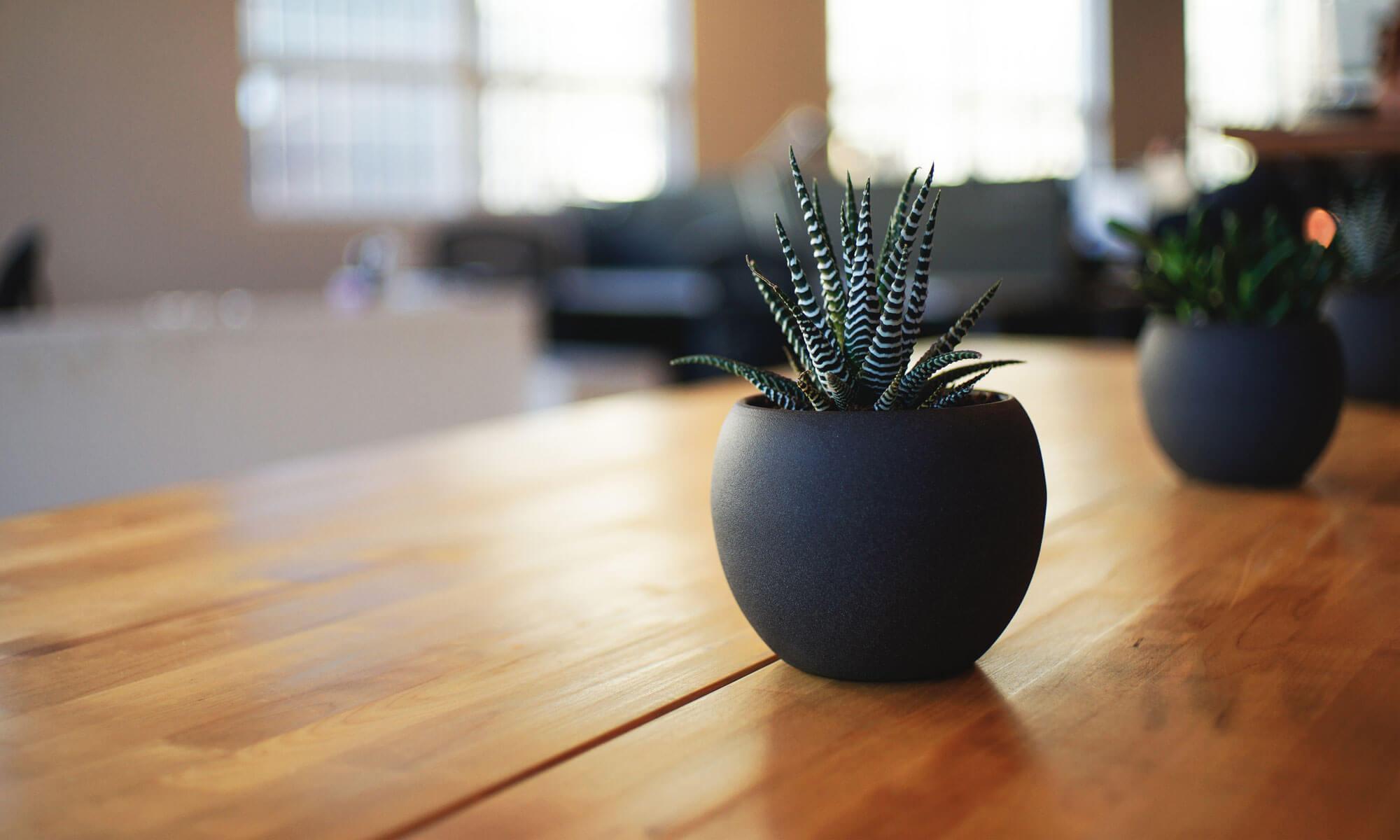

- Stylish interiors transform effortlessly with casoolas.ca and curated design solutions
- Understanding Your Personal Style
- Defining Key Elements
- The Power of Color and Light
- Creating a Harmonious Palette
- Furniture Selection and Arrangement
- Optimizing Space and Flow
- Accessorizing for Personality
- Extending Style to Outdoor Spaces
Stylish interiors transform effortlessly with casoolas.ca and curated design solutions
Creating a beautiful and functional interior can often feel overwhelming. The sheer number of choices, from furniture styles to color palettes, can lead to analysis paralysis. However, achieving a cohesive and stylish space doesn't require a complete overhaul or a professional decorator. Resources like casoolas.ca offer curated design solutions and inspiration, helping individuals transform their homes effortlessly. They focus on providing accessible design ideas, streamlining the process of finding the perfect pieces, and ensuring that everyone can achieve a look they love.
Interior design is about more than just aesthetics; it’s about creating a space that supports your lifestyle and reflects your personality. It's about maximizing functionality, promoting comfort, and fostering a sense of well-being. The right design choices can impact your mood, productivity, and even your health. The modern approach often leans towards minimalist principles, incorporating natural light and open spaces to create a calming atmosphere. Fortunately, this can be achieved without spending a fortune, and platforms dedicated to stylish interiors make the journey significantly easier.
Understanding Your Personal Style
Before diving into specific design trends or shopping for new furniture, it's crucial to identify your personal style. Are you drawn to the clean lines and simplicity of modern design, or do you prefer the cozy and inviting feel of a farmhouse aesthetic? Perhaps you're captivated by the bold colors and eclectic patterns of bohemian style. Exploring different design styles through magazines, websites, and social media platforms like Pinterest can provide valuable inspiration. Don’t be afraid to mix and match elements from various styles to create a look that is uniquely your own. Consider what colors make you feel most comfortable and energized, and what types of materials and textures you find appealing. These initial considerations will serve as a foundation for all your design decisions.
Defining Key Elements
Once you have a general idea of your preferred style, it’s time to start defining the key elements. This involves considering aspects like furniture arrangement, color schemes, lighting, and accessories. For example, a minimalist space might focus on using neutral colors, streamlined furniture, and minimal decor. In contrast, a bohemian space might incorporate vibrant colors, eclectic patterns, and a mix of textures. Think about the functionality of each room and how you want to use the space. A living room designed for entertaining will have different requirements than a home office designed for focused work. Paying attention to these details will help you create a space that’s both beautiful and practical. The emphasis should be on creating a cohesive narrative throughout your home.
| Modern | Clean lines, minimalism, functionality | Neutral (white, gray, black) with accent colors | Metal, glass, concrete, wood |
| Farmhouse | Cozy, rustic, inviting | Warm neutrals, muted tones | Wood, cotton, linen, galvanized metal |
| Bohemian | Eclectic, vibrant, free-spirited | Bold colors, rich patterns | Natural fibers, wood, metal, textiles |
Understanding these characteristics helps to refine a design direction. It's important to remember personal preference should always take precedence; these are guidelines, not rules.
The Power of Color and Light
Color and light are two of the most powerful tools in interior design. They have the ability to dramatically alter the mood and atmosphere of a space. Light, in particular, is often underestimated. Natural light is ideal, but it’s not always accessible. Utilizing artificial lighting strategically can help to brighten up dark spaces and create a warm and inviting ambiance. Layering different types of lighting, such as ambient, task, and accent lighting, can add depth and dimension to a room. Consider the color temperature of your light bulbs, as warmer tones tend to be more relaxing, while cooler tones are more energizing. Color selection is equally important. Neutral colors, like white, gray, and beige, provide a versatile backdrop for other design elements. However, don’t be afraid to incorporate pops of color through accessories, artwork, or accent walls.
Creating a Harmonious Palette
When creating a color palette, it’s helpful to follow a few basic principles. The 60-30-10 rule is a popular guideline, suggesting that you use one dominant color for 60% of the room, a secondary color for 30%, and an accent color for the remaining 10%. This creates a balanced and harmonious look. Consider the psychological effects of different colors. Blue is often associated with calmness and serenity, while red is associated with energy and passion. Green is associated with nature and growth, while yellow is associated with happiness and optimism. Experiment with different color combinations to find what works best for your personal style and desired mood. Don't hesitate to use online tools to visualize different colour schemes within a space as well.
- Consider the existing colors in your home (flooring, walls).
- Use a color wheel to find complementary or analogous colors.
- Test paint colors in different lighting conditions.
- Don’t be afraid to experiment with bold accents.
Applying these concepts will improve the overall aesthetic of the interior space. Thoughtful color and lighting choices can truly transform a room.
Furniture Selection and Arrangement
Choosing the right furniture is critical to creating a functional and stylish space. Prioritize quality and durability, opting for pieces that will stand the test of time. When selecting furniture, consider the size and scale of the room. Avoid overcrowding a small space with oversized furniture. Instead, choose pieces that are appropriately sized and proportioned. Pay attention to the functionality of each piece. A sofa should be comfortable and supportive, while a dining table should be large enough to accommodate your needs. The arrangement of furniture can also have a significant impact on the flow and feel of a room. Create conversation areas by arranging furniture in a way that encourages interaction. Ensure there is enough space to move around comfortably. And remember to consider the focal point of the room, such as a fireplace or a window.
Optimizing Space and Flow
Maximizing space is particularly important in smaller homes or apartments. Consider using multi-functional furniture, such as a sofa bed or a storage ottoman. Wall-mounted shelves can free up floor space, while mirrors can create the illusion of a larger room. Utilize vertical space by incorporating tall bookshelves or cabinets. When arranging furniture, create clear pathways to avoid obstructing the flow of traffic. Leave enough space between furniture pieces to allow for easy movement. Pay attention to the placement of rugs, as they can help to define different zones within a room. Proper furniture selection and arrangement are essential for creating a space that is both functional and aesthetically pleasing.
- Measure your space before purchasing furniture.
- Choose furniture that is appropriately sized and scaled.
- Prioritize functionality and durability.
- Arrange furniture to create conversation areas and optimize flow.
These steps ensure a smooth and functional process when deciding on new furniture. Remember to prioritize comfort and practicality.
Accessorizing for Personality
Accessories are the finishing touches that add personality and character to a space. They’re the details that transform a house into a home. Artwork, rugs, pillows, curtains, and decorative objects can all contribute to the overall aesthetic. When choosing accessories, consider your personal style and the overall theme of the room. Don’t be afraid to mix and match different textures, patterns, and colors. However, it’s important to avoid overdoing it. Too many accessories can create a cluttered and overwhelming look. Less is often more. Focus on selecting a few key pieces that you love and that complement the existing décor. Think of accessories as telling a story about your interests and passions.
Often overlooked, plants can provide a natural element to any space, improving air quality and adding a touch of serenity. Consider incorporating different sizes and types of plants to create visual interest. Small touches, when curated, can elevate a room’s overall feel. This is where individuals can truly showcase their taste and creativity, finding pieces that reflect their unique lifestyle and interests, much like the curated selections available through resources such as casoolas.ca.
Extending Style to Outdoor Spaces
The concept of stylish interiors shouldn’t be limited to the inside of your home. Extending your design aesthetic to outdoor spaces can create a seamless transition between indoors and outdoors. This involves incorporating comfortable outdoor furniture, stylish planters, and ambient lighting. Choose materials that are weather-resistant and durable. Consider creating an outdoor living area with a comfortable seating arrangement, a dining table, and a fire pit. Incorporate plants and flowers to add color and life to the space. Outdoor rugs can help to define different zones and add warmth underfoot. The goal is to create an outdoor space that is as inviting and functional as your indoor living areas. The principles of good design – balance, harmony, and personal expression – apply equally well to outdoor spaces.
A well-designed outdoor area can extend your living space and provide a relaxing retreat for entertaining guests or simply enjoying the fresh air. Embrace the opportunity to create an outdoor oasis that reflects your personal style and enhances your lifestyle. It's a valuable extension of the home, especially during warmer months and can be a focal point of social gatherings. Working towards a consistent design language that connects the interior and exterior spaces contributes to a greater sense of cohesion and personal satisfaction within the home.